
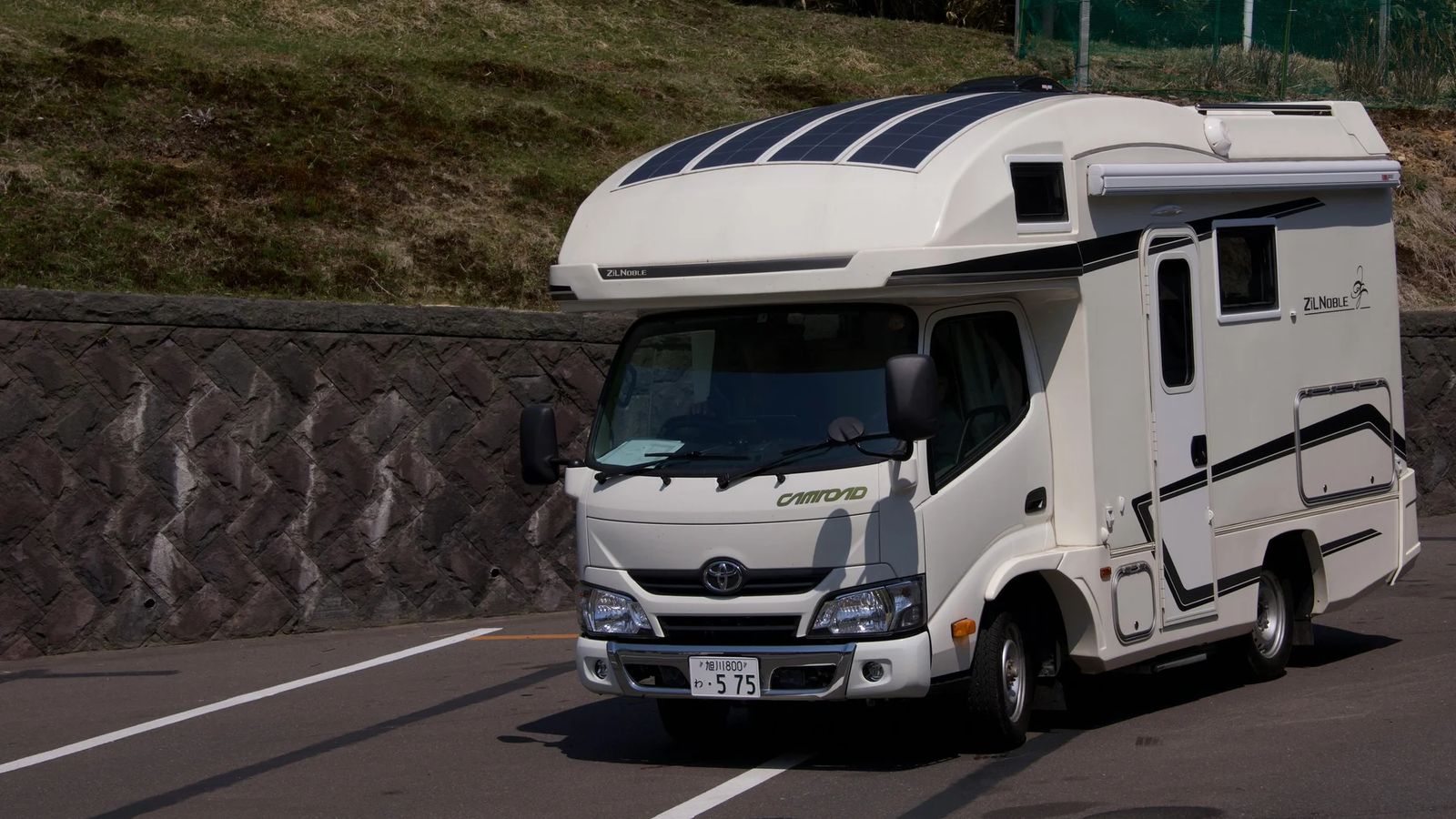
RV Insurance for South Carolina Travelers
Whether you own a Class A motorhome, a travel trailer, or a fifth wheel, we shop carriers who specialize in recreational vehicle coverage to find the right fit for how you camp, travel, and live on the road.
Coverage Options
RV Insurance Coverage Built for the Road — and the Campsite
A dedicated recreational vehicle policy is designed to cover your rig, everything inside it, your liability on the road and at the campground, and your emergency needs when something goes wrong far from home.
Liability Coverage
Designed to help protect you if your RV is involved in an incident causing damage to another vehicle or property. RV liability exposure exists both while your vehicle is in motion and while it is parked at a campground, storage facility, or private property. Standard auto liability does not cover campsite liability when your RV is unhitched. Coverage limits and terms vary by policy. Full-timers may require additional endorsements beyond standard RV liability limits.
Get My RV Quoteabout Liability CoverageCollision Coverage
Designed to help pay for repair or replacement of your recreational vehicle after a collision with another vehicle or object. For Class A motorhomes, fifth wheels, and high-value travel trailers in South Carolina, collision coverage is one of the most important components of a dedicated RV policy. Coverage terms, deductible options, and conditions vary by policy and carrier.
Get My RV Quoteabout Collision CoverageComprehensive Coverage
Designed to help cover non-collision losses, theft, vandalism, fire, falling objects, and weather-related damage. South Carolina's hurricane season creates real storm exposure for RVs stored in Berkeley, Charleston, and Dorchester counties. Whether your rig is on the road or parked at your Goose Creek property between trips, comprehensive coverage addresses losses your auto policy cannot. Terms, exclusions, and conditions vary by policy and carrier.
Get My RV Quoteabout Comprehensive CoveragePersonal Belongings
Your RV carries more than just the vehicle itself — clothing, cookware, electronics, camping gear, and furniture all travel with you. Personal belongings coverage is designed to help cover your personal property stored inside your RV if damaged, destroyed, or stolen. Standard auto policies do not extend to items inside your vehicle. Whether you camp on weekends or travel full-time, this coverage addresses a gap most RV owners don't realize exists. Coverage limits, terms, and conditions vary by policy and carrier.
Get My RV Quoteabout Personal BelongingsEmergency Roadside & Towing
RV towing is significantly more complex and expensive than standard passenger vehicle towing, specialized equipment, longer distances, and weight restrictions all factor into the cost of a roadside emergency. Emergency roadside coverage under a dedicated RV policy is designed to help cover towing, tire service, fuel delivery, and on-road assistance when your recreational vehicle becomes disabled. Coverage terms, qualifying situations, service limits, and distance restrictions vary by policy and carrier.
Get My RV Quoteabout Emergency Roadside & TowingFull-Timer Coverage
If your RV is your primary or full-time residence, a standard recreational vehicle policy may not adequately cover your situation. Full-timer coverage is designed to function more like a homeowners policy, providing enhanced personal property protection, personal liability coverage at your campsite, and additional living expense coverage if your RV becomes uninhabitable after a covered loss. Whether this coverage applies to your situation depends on how many days per year you occupy your RV and your carrier's specific definitions. Terms, qualifying criteria, and available options vary significantly by carrier. Contact us to discuss your specific usage pattern.
Get My RV Quoteabout Full-Timer Coverage
RV Insurance Isn't One-Size-Fits-All — and Neither Is How You Use It
Weekend campers, seasonal travelers, and full-time RV residents all have different coverage needs and a policy written for one lifestyle often leaves gaps for another. We work with carriers who write dedicated recreational vehicle coverage across South Carolina and beyond — carriers who understand the difference between a Class A diesel pusher, a pop-up camper, and a toy hauler, and how each needs to be insured differently. Whether you're storing your rig in Goose Creek between trips, camping at Myrtle Beach State Park, or traveling the country full-time, we find coverage that fits.
We review your RV's value, your personal belongings inside it, your liability exposure on the road and at the campsite, your emergency roadside needs, and whether full-timer coverage applies to your situation. Most RV owners we talk to discover at least one significant gap in their current coverage.
Your Auto Coverage at a Glance

RV Insurance Questions — Answered
Auto insurance is designed for passenger vehicles, it addresses liability on the road, collision damage, and basic medical payments. Recreational vehicles have different uses and is more than just a vehicle, it can also be a living space. A dedicated RV policy addresses your personal belongings inside the coach, your liability at a campsite when the vehicle is parked, full-timer living expense coverage, emergency towing appropriate for large vehicle sizes, and vacation interruption benefits if a covered loss ends your trip early. These coverages either do not exist or are inadequate under a standard auto policy. Coverage components, terms, and availability vary by carrier.
Motorized RVs — Class A, B, and C motorhomes are registered as motor vehicles in South Carolina and are subject to the state's minimum liability insurance requirements of 25/50/25. Non-motorized towables — travel trailers, fifth wheels, and pop-up campers are not subject to a separate liability insurance requirement, though your tow vehicle's registration and insurance requirements still apply. Beyond legal minimums, many campgrounds, RV parks, and marinas in South Carolina require proof of liability insurance as a condition of entry or slip rental. We walk through your specific vehicle type and how it affects your coverage obligations.
Several factors can reduce your RV insurance premium without meaningfully reducing your protection. Completing an RV safety or driving course may qualify you for a safe driver discount with select carriers. Storing your RV in a secured, enclosed facility during the off-season can reduce comprehensive premiums. Bundling your RV policy with your home or auto policy through the same carrier often produces a multi-policy discount. Choosing a higher deductible on collision coverage lowers your base premium, though we recommend evaluating that tradeoff carefully against your out-of-pocket exposure. Limited mileage endorsements are available with some carriers for RVs used only seasonally.
Some dedicated RV policies include optional vacation liability and trip interruption coverages that standard auto policies do not offer. Vacation liability is designed to help cover your liability at a temporary campsite — protecting you when your RV functions as a temporary dwelling rather than a moving vehicle. Trip interruption coverage is designed to help reimburse reasonable expenses, lodging, meals, and transportation, if a covered mechanical breakdown or accident strands you far from home during a trip. Availability, terms, and qualifying circumstances vary significantly by carrier. These are coverages worth asking about specifically when we compare your options.
Class A motorhomes — particularly diesel pushers and luxury coaches represent significant investments that require coverage structures appropriate to their value and complexity. Key differences from standard RV coverage include agreed value or stated value options that lock in your coach's insured value rather than subjecting it to depreciation at claim time, higher personal property limits for the furnishings and electronics typically found in full-size coaches, coverage for slide-outs, awnings, and other mechanical systems, and full-timer endorsements for owners who live in their coach. High-value motorhomes are best placed with carriers who specialize in this class of vehicle. We work with several carriers who write Class A coverage in South Carolina and can compare options for your specific coach.
Whether your RV is covered while stored at a facility depends on your specific policy terms and whether you maintain comprehensive coverage year-round. Most dedicated RV comprehensive policies extend coverage to your vehicle while it is stored, protecting against theft, vandalism, fire, and weather damage including hurricane season exposure in South Carolina. Some policies have specific requirements around storage location, security measures, and notification for extended storage periods exceeding a defined number of days. If your storage facility in Berkeley or Charleston County is near a flood zone, it is also worth confirming whether your RV policy addresses flood damage to a stored vehicle or whether that requires separate coverage. Contact us to review your specific policy terms.
Get an RV Insurance Quote
Fill out the form below and one of our agents will get back to you shortly.
Get In Touch
Contact Us Directly
Phone
Address
Goose Creek, SC 29445
Get Your Auto Insurance Quote Today
Fast, easy, and obligation-free. See how much you could save.